Is Solar Worth It in San Diego Under NEM 3.0? What Homeowners Should Know in 2026
For many San Diego homeowners, solar is still worth it under NEM 3.0, but the math has changed. The best results now come from systems designed around when you use electricity, usually paired with battery storage, rather than from panels alone. Whether solar makes sense for you depends on your usage, your roof, your SDG&E rate plan, and the electrical setup at your home.
What Is NEM 3.0?
NEM 3.0, officially California’s Net Billing Tariff, determines how solar customers are credited for power they send back to the grid. Under NEM 2.0, exported energy earned credits close to the retail rate. Under NEM 3.0, exports are credited at a much lower rate.
The value of solar has shifted from selling power to the grid toward using as much of your own power as possible.
Why Solar Still Makes Sense for San Diego
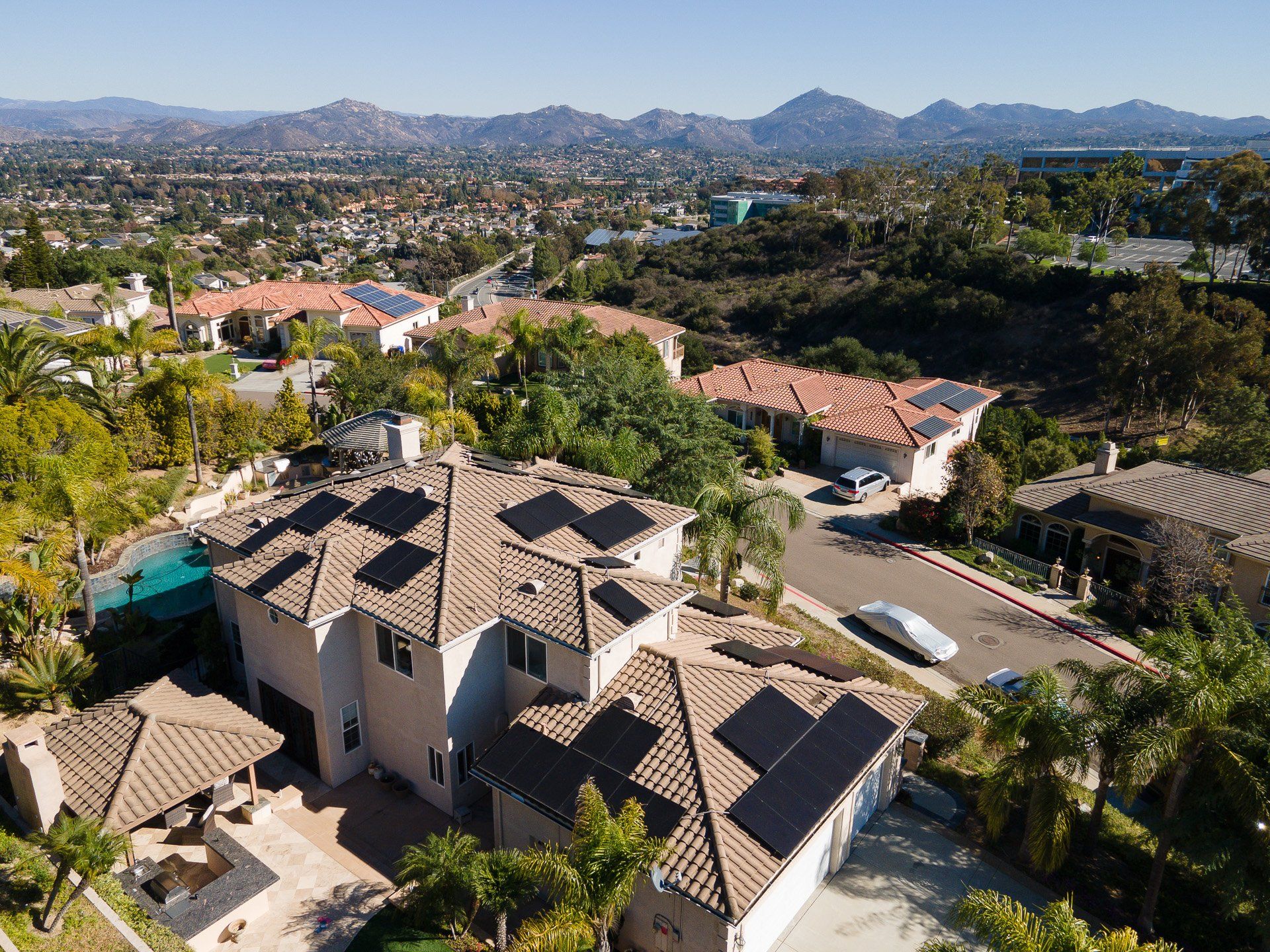
SDG&E customers pay some of the highest electricity rates in the country, and solar customers are placed on time-of-use plans, where the price of power depends on the hour. Every kilowatt-hour your panels produce and you use at home is one you don’t buy from the utility. San Diego’s steady sunshine also means systems produce reliably, and solar gives you more control over future rate increases.
Why Battery Storage Matters Under NEM 3.0
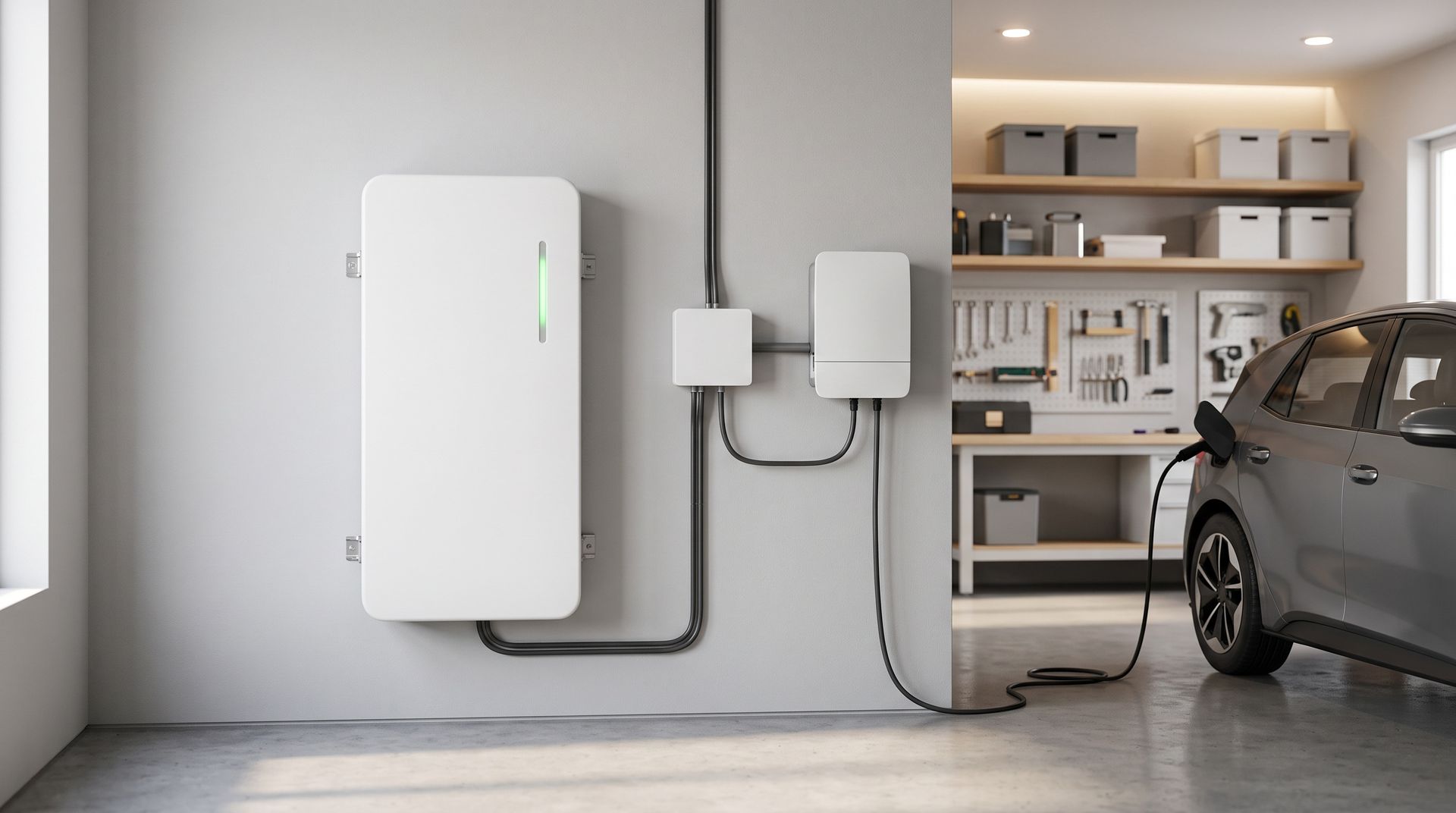
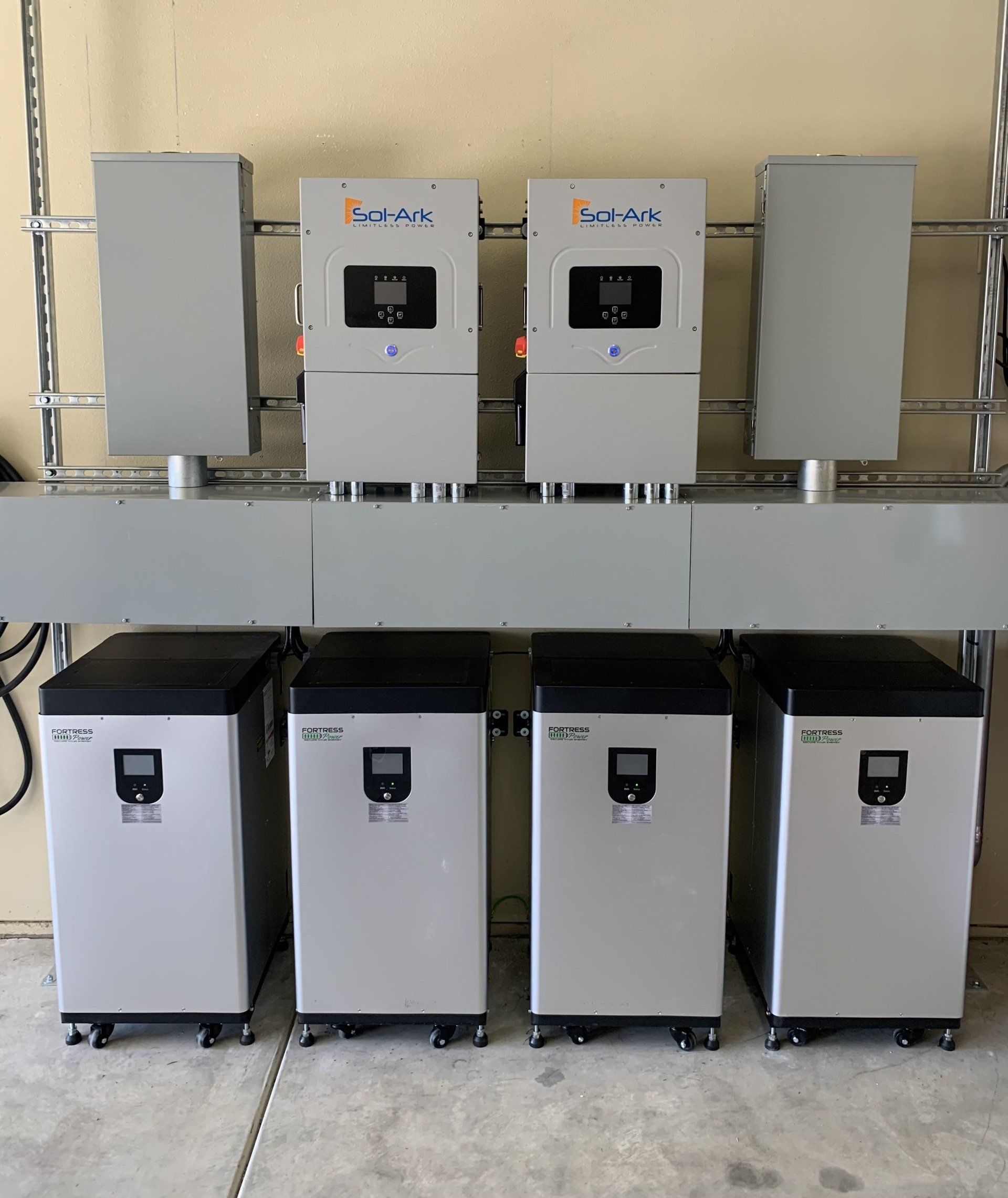
Without a battery, much of your midday solar production is exported at lower credit values, and then you buy power back in the evening, when rates are highest. A battery stores that extra solar so you can use it during SDG&E’s 4 to 9 p.m. peak window.
It also keeps essential circuits running during an outage, which grid-tied solar alone can’t do. That’s why many new San Diego installations now include storage.
What’s Changed in 2026
A new SDG&E rate schedule. SDG&E expanded its super off-peak window starting May 1, 2026, which reduces the value of midday exports and strengthens the case for storage.
The federal homeowner tax credit has ended. The federal credit for homeowner-purchased systems no longer applies beginning in 2026, so make sure any proposal doesn’t assume it. A tax professional can confirm what applies to you.
California’s property tax exclusion has a deadline. The exclusion keeps a new solar system from raising your property tax assessment, but systems must be completed before January 1, 2027, unless the state extends it.
The Electrical Side of Going Solar
Solar proposals tend to focus on panels, but your home’s electrical system determines how smoothly a project goes. Before you commit, check:
- Whether your main panel has the capacity for solar and a battery
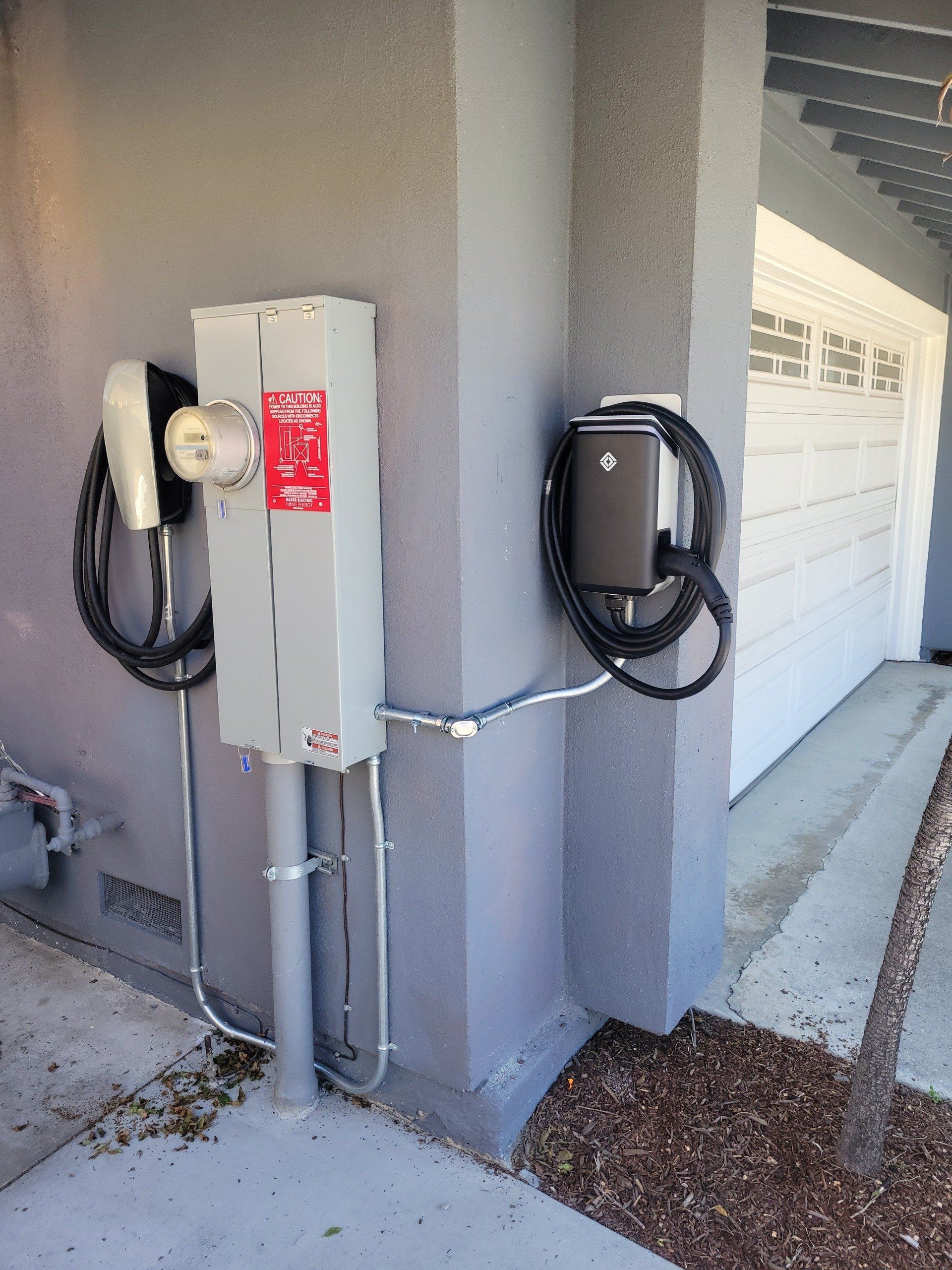
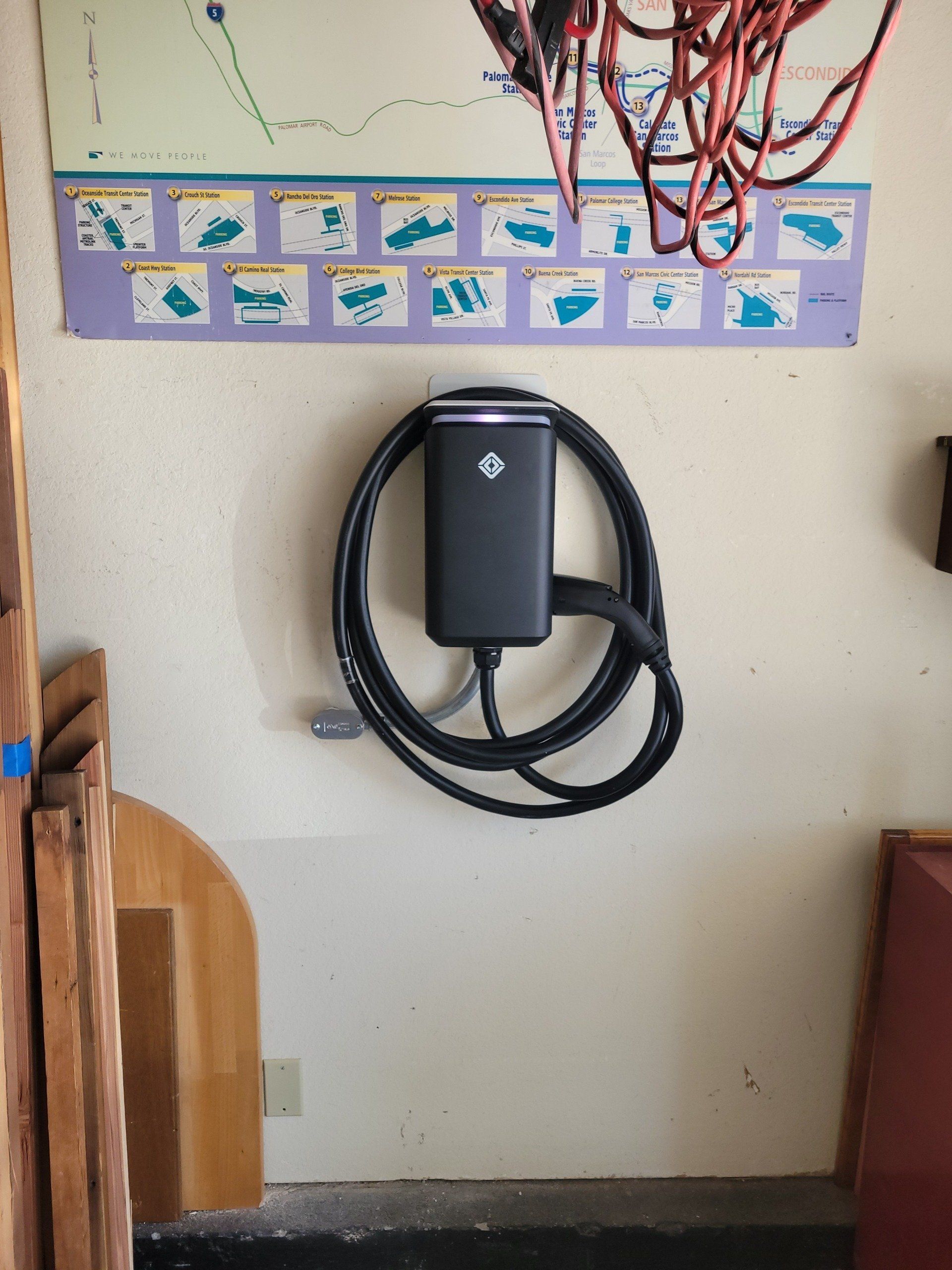
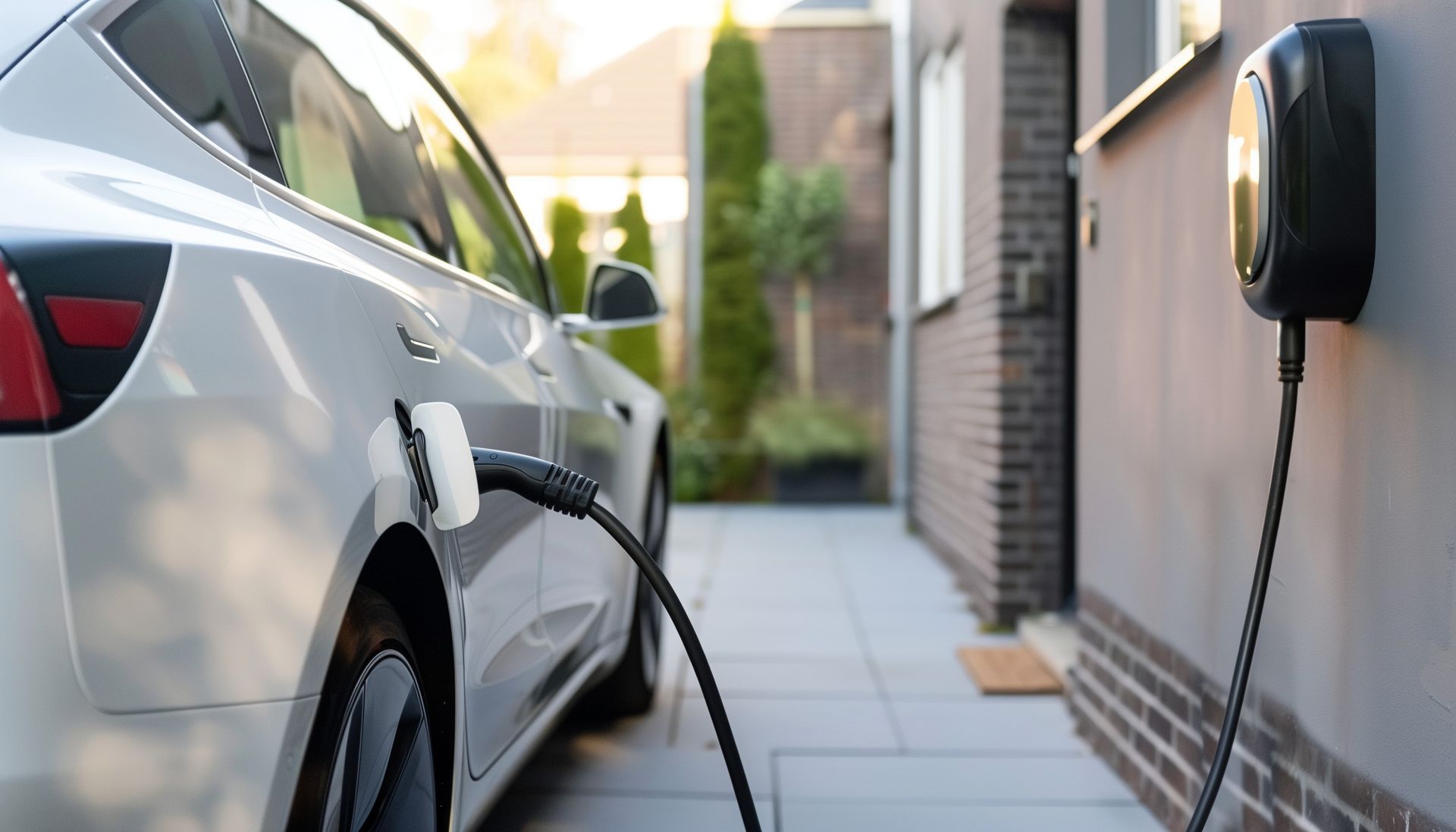
- Whether you plan to add an EV charger, which adds load and affects system sizing
- How battery backup will be wired, whether for the whole home or only essential circuits
- Which permits and utility interconnection steps are required
A licensed electrician can evaluate these upfront, which helps you avoid surprise costs and delays later.
Is Solar Worth It for Your Home?
Start with your SDG&E bills and your roof. Look at how much power you use and when, how old your roof is, whether it’s shaded, and whether you plan to buy an EV or want backup power. Then compare proposals that reflect NEM 3.0 export values and time-of-use rates rather than older assumptions. Costs vary widely with system size, equipment, and electrical upgrades, so a custom proposal is the only reliable number for your home.
Solar FAQs for San Diego Homeowners
Do I need a battery with solar under NEM 3.0?
Not always, but many homes see better results with one, since stored solar is worth more than exported solar.
Can I still go solar without the federal tax credit?
Yes. Solar can still reduce your electricity costs, and other factors, like the property tax exclusion, may apply.
Will solar raise my property taxes?
Not if your system qualifies for California’s exclusion and is completed before January 1, 2027, under current law.
Solar and Electrical Expertise in San Diego
New Leaf Electric is a licensed San Diego electrician specializing in solar, EV charger, and energy storage installations, serving homeowners from Point Loma across San Diego County.