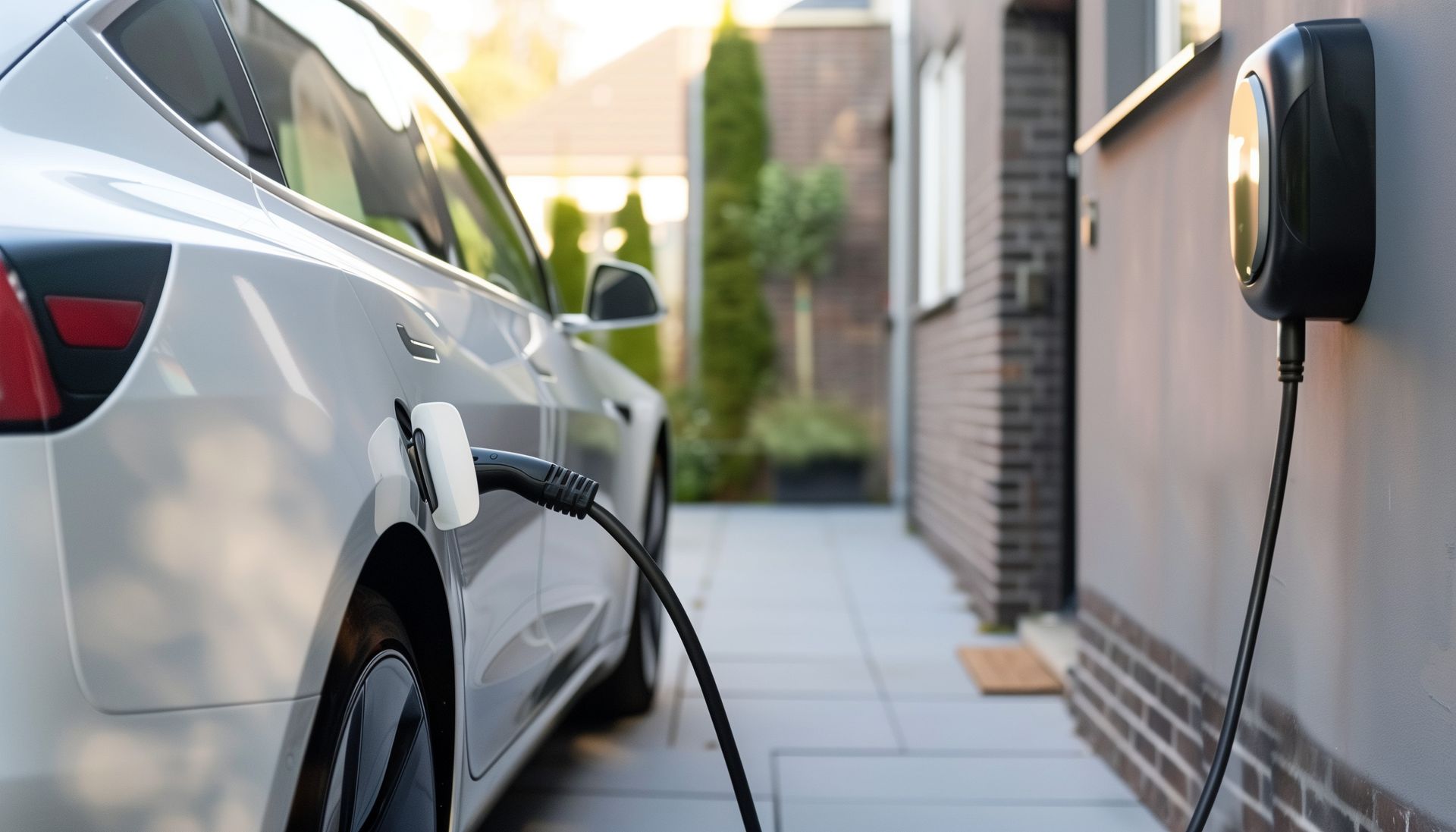
EV Charger Installation: Can Your Garage Support It?
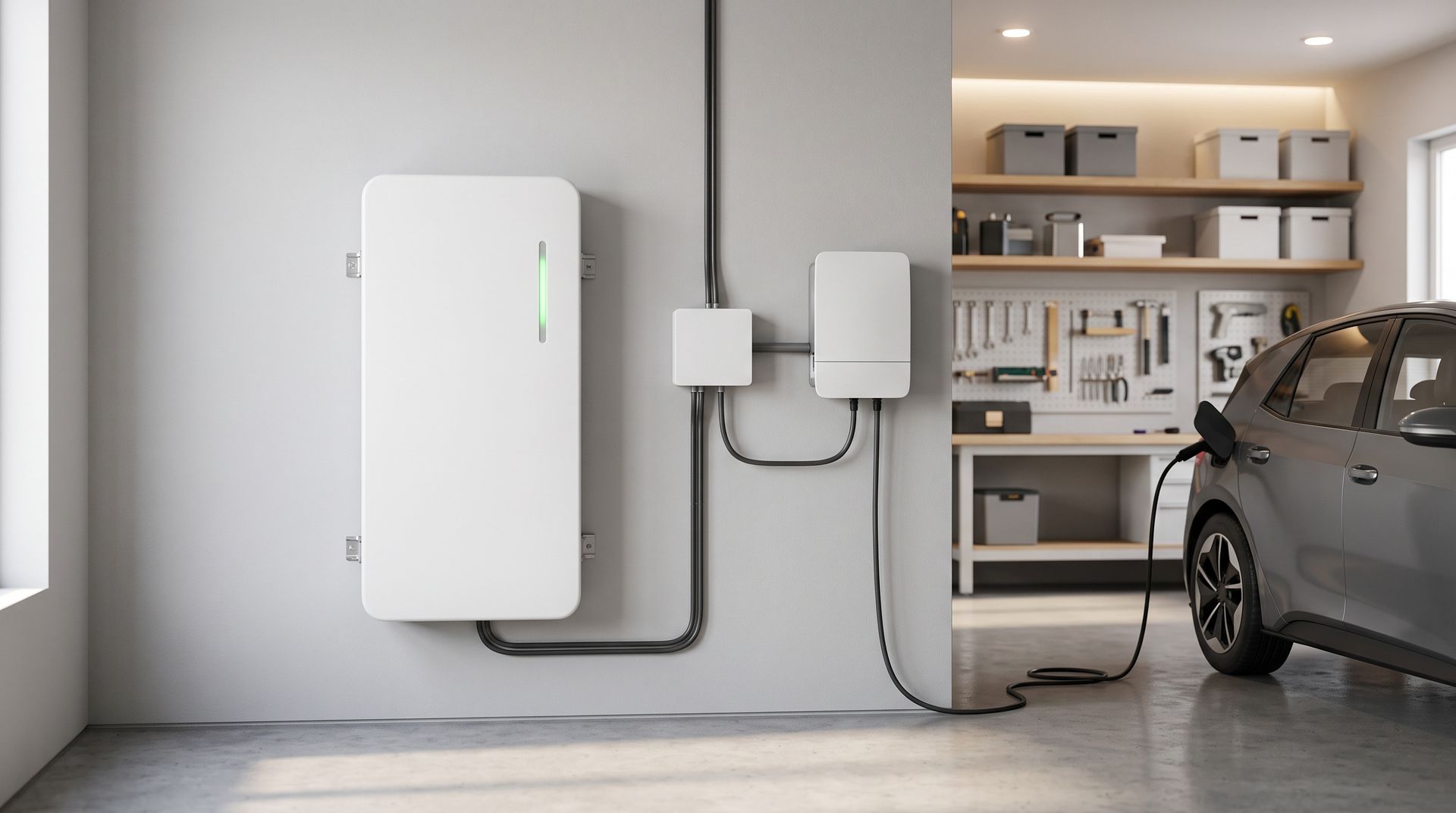
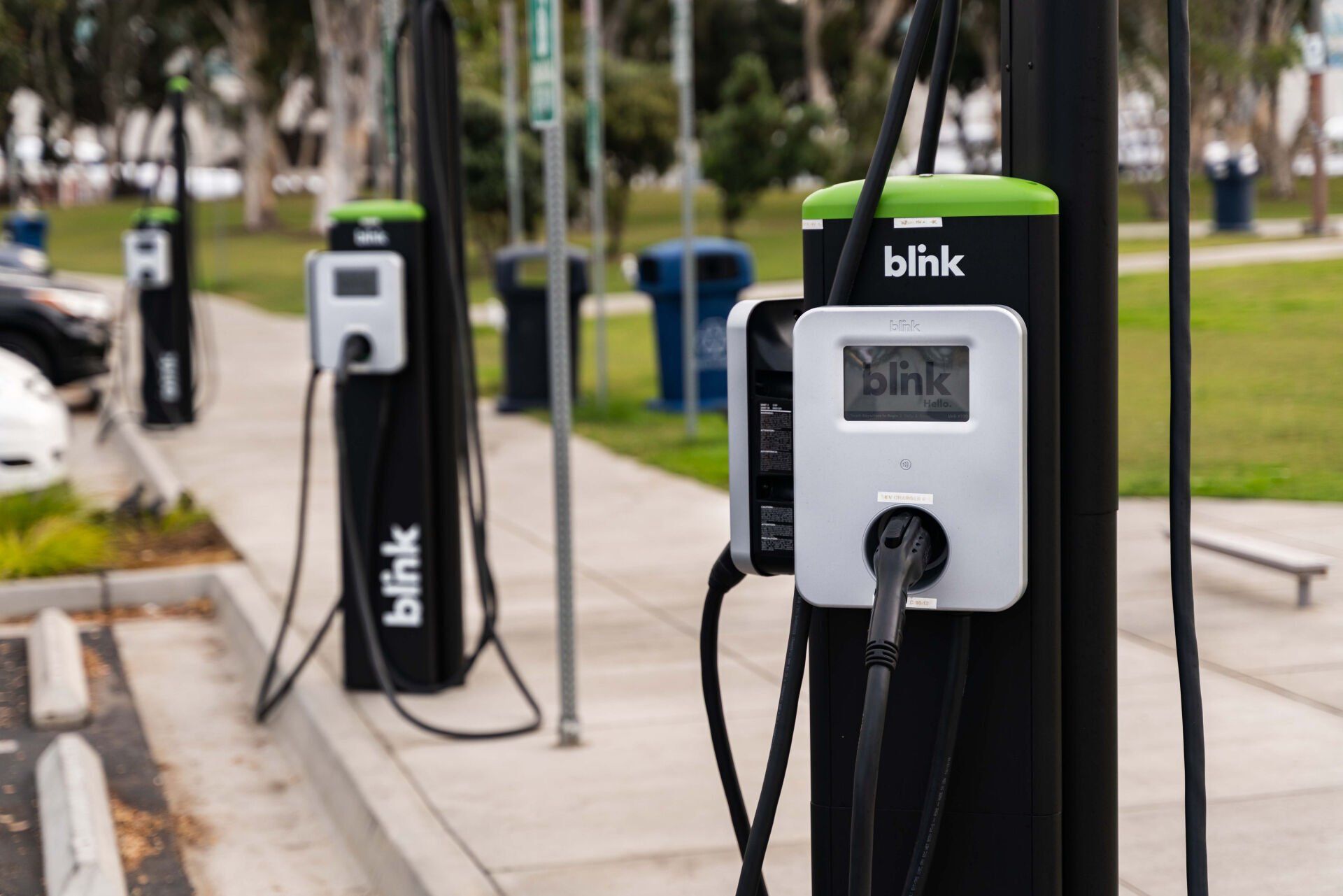
As electric vehicles become more common, more homeowners are realizing that charging at home is one of the biggest conveniences of EV ownership. Plugging in overnight is often faster, easier, and more affordable than relying on public charging stations.
But before installing a charger, there’s an important question many homeowners don’t think about:
Can your garage actually support an EV charger safely and efficiently?
The answer depends on your home’s electrical system, available capacity, and the type of charger you plan to install.
Not All Garages Are EV-Ready
Many homeowners assume installing an EV charger is as simple as plugging in a new appliance. In reality, EV chargers place a significant and continuous demand on your electrical system.
While some homes are already equipped to handle that load, others may require upgrades before installation can safely move forward.
Factors that can affect EV charger compatibility include:
- The age of your home
- Electrical panel capacity
- Existing appliance usage
- Garage wiring condition
- Distance from the electrical panel to the garage
- Available circuit space
Older homes, in particular, may not have been designed with EV charging in mind.
Understanding Level 1 vs Level 2 Charging
The type of charger you choose also impacts what your garage needs electrically.
Level 1 Chargers
Level 1 charging uses a standard 120-volt outlet. These chargers are slower but may work for drivers with shorter daily commutes.
In many cases, no major electrical modifications are needed.
Level 2 Chargers
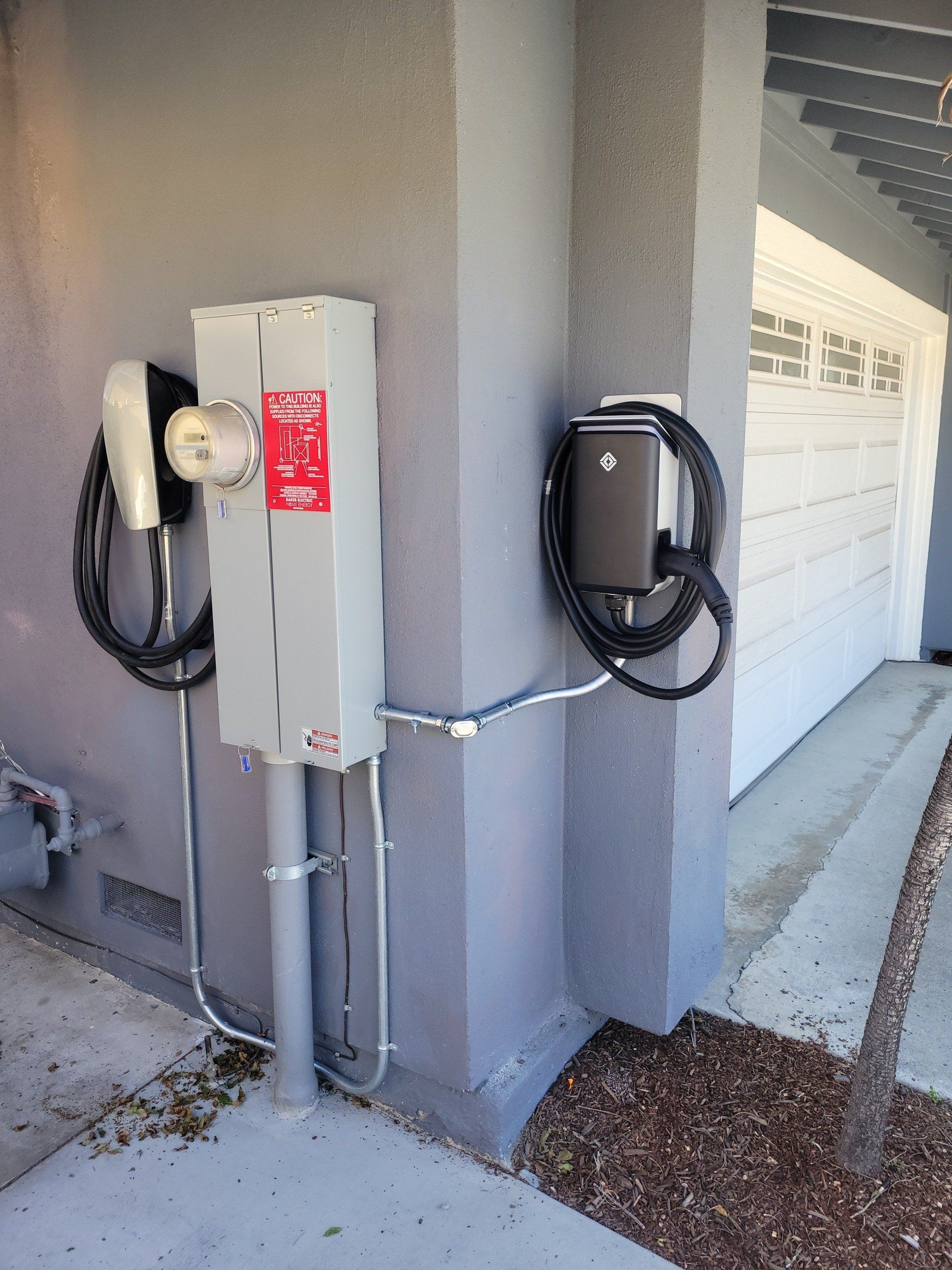
Level 2 chargers use a 240-volt circuit and charge vehicles significantly faster. Most homeowners who install permanent EV charging systems choose Level 2 for convenience and efficiency.
However, these chargers often require:
- Dedicated circuits
- Higher electrical capacity
- Professional installation
- Possible panel upgrades
This is where many garages run into limitations.
Your Electrical Panel Matters More Than You Think
Your electrical panel controls how power is distributed throughout your home. If your panel is already close to its maximum capacity, adding an EV charger could overload the system.
That’s why a licensed electrician typically performs a load calculation before installation.
This assessment helps determine:
- Whether your current panel can support EV charging
- If additional circuits are available
- Whether a panel upgrade is recommended
- How to safely balance your home’s electrical demand
In some cases, installation is straightforward. In others, upgrading the panel may be the safest long-term solution.
Garage Wiring and Placement Considerations
Electrical capacity is only part of the equation. The physical layout of your garage also affects installation complexity and cost.
Important considerations include:
- Where the charger will be mounted
- Distance to the electrical panel
- Existing conduit or wiring access
- Indoor vs outdoor installation
- Future vehicle charging needs
A properly planned installation not only improves convenience but also helps ensure long-term reliability and safety.
Why Professional Installation Matters
EV chargers are high-powered electrical devices that operate for extended periods of time. Improper installation can create serious safety risks, including:
- Overheated wiring
- Tripped breakers
- Electrical fires
- Charger malfunctions
- Code violations
Professional installation helps ensure:
- Proper permitting
- Safe circuit sizing
- Code compliance
- Reliable charger performance
- Long-term electrical safety
It also protects your investment and helps avoid costly future issues.
Planning for the Future
Many homeowners installing one EV charger today may eventually need to support two electric vehicles in the future.
Planning ahead during installation can help reduce future upgrade costs and make expansion easier later on.
A professional electrician can help evaluate:
- Future charging capacity
- Panel scalability
- Smart charger compatibility
- Energy efficiency options
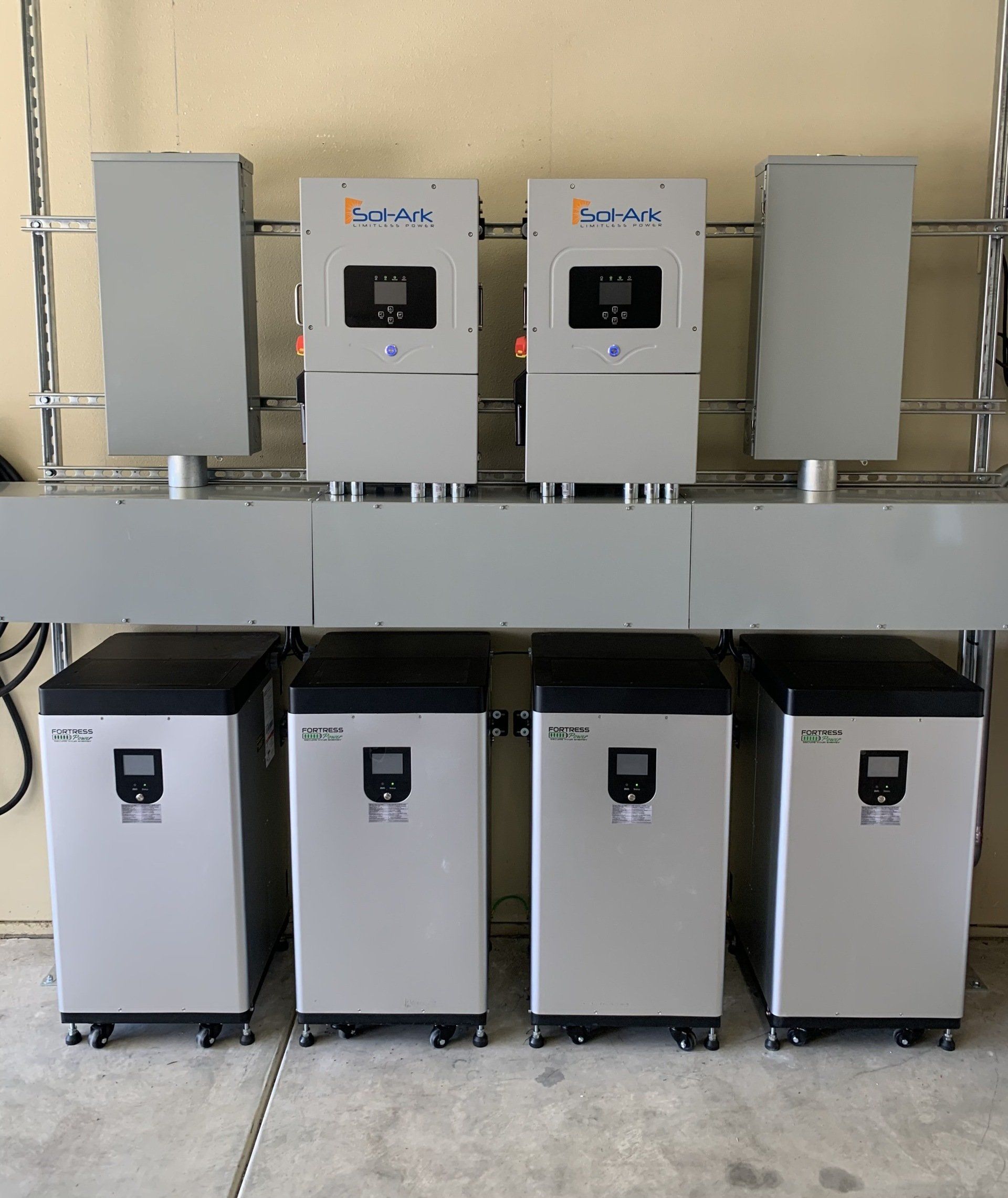
- Solar integration opportunities
Thinking long-term can make your home more adaptable as EV adoption continues to grow.
The Bottom Line
Not every garage is automatically ready for an EV charger — but most homes can be upgraded safely and efficiently with the right planning.
Before purchasing a charger, it’s important to understand whether your electrical system can support the added demand and what upgrades, if any, may be needed.
A professional assessment can help you avoid surprises and ensure your home charging setup is safe, reliable, and built for the future.
If you’re considering installing an EV charger at home, New Leaf Electric can help evaluate your system and recommend the right solution for your needs.