Innovations in Renewable Energy: What's New for San Diego Residents
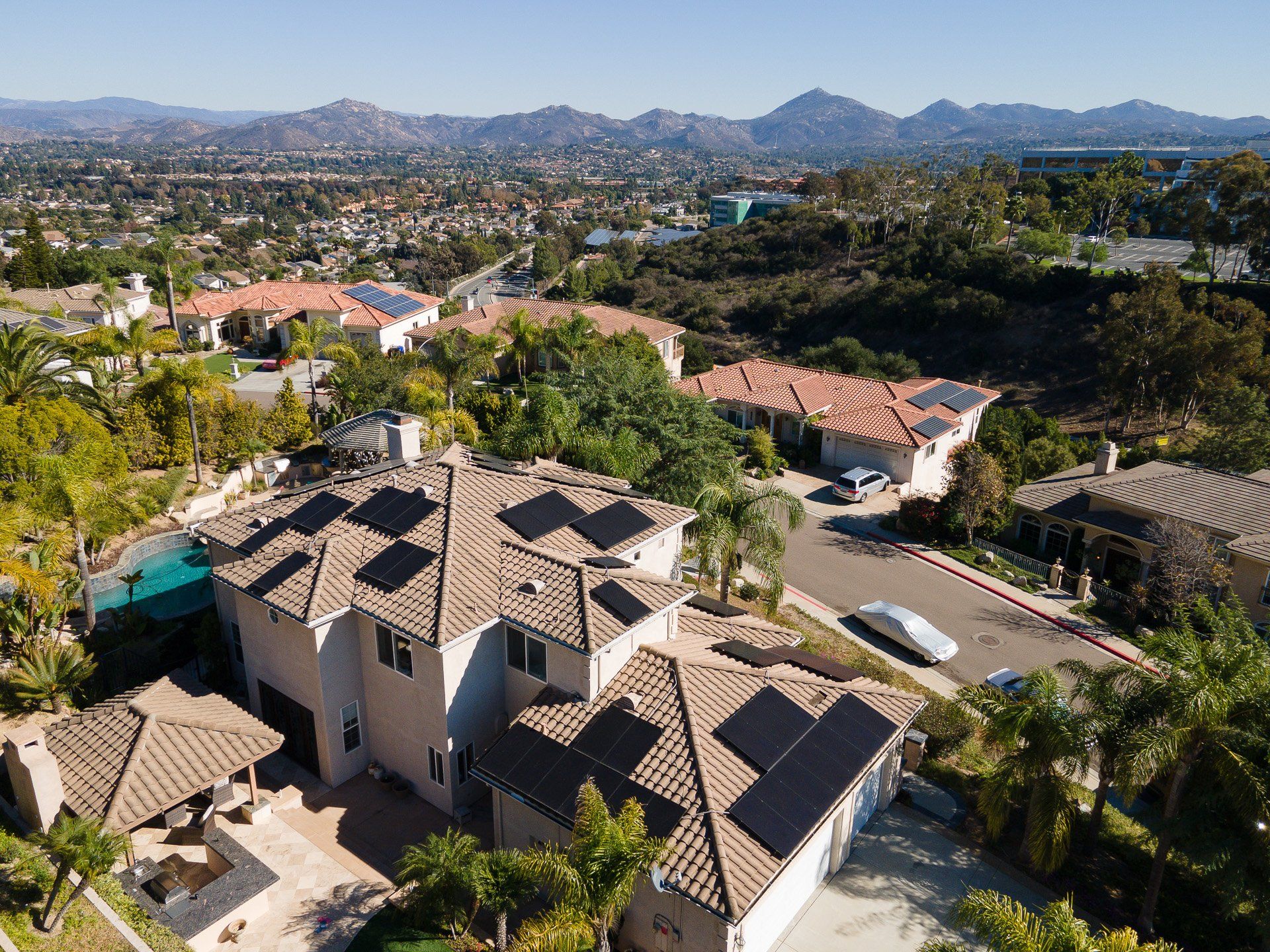
Renewable energy in San Diego has changed significantly over just the past few years, and if your understanding of solar or battery storage is more than a couple years old, some of what you think you know may already be outdated. Here's what's actually new, and what it means if you're considering solar, an EV charger, or battery storage for your home.
The Big Shift: Battery Storage Has Gone From "Nice to Have" to Essential
The single biggest change affecting San Diego solar customers is NEM 3.0, the state's newer net metering policy that took effect for new solar customers back in 2023. Under the previous system, homeowners who sent excess solar power back to the grid were credited at close to the full retail rate. Under NEM 3.0, those export credits dropped dramatically — roughly an 80–90% reduction compared to the previous framework.
What that means in practice: solar panels alone no longer deliver the same value they used to, because selling extra daytime power back to SDG&E just isn't worth much anymore. The real savings now come from using your own solar power directly, rather than exporting it.
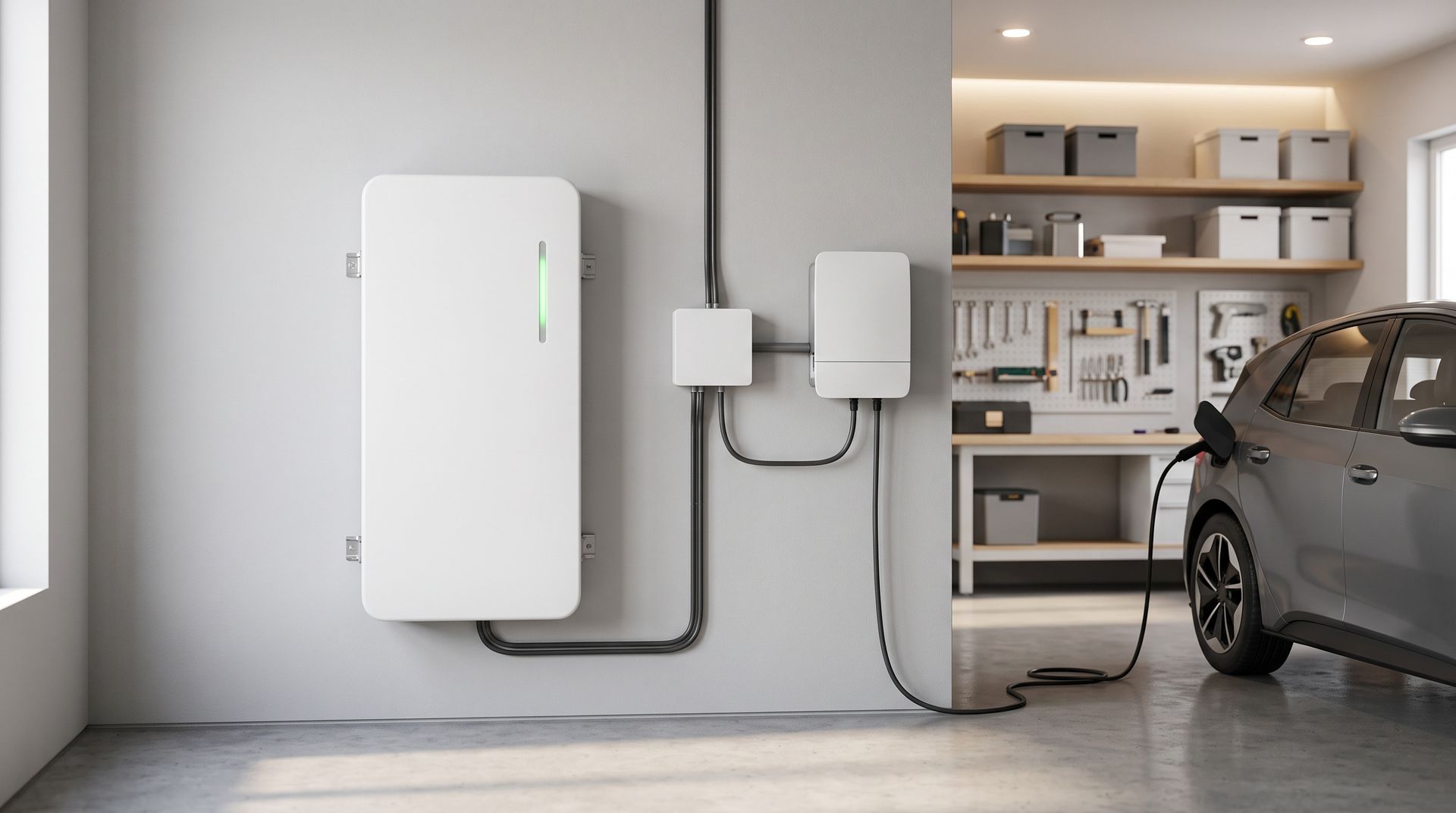
This is exactly why battery storage has moved from an optional add-on to a near-essential part of any new solar system. Because of NEM 3.0, battery storage has shifted from a luxury to a necessity for many homeowners — without one, midday solar production gets sent to the grid for pennies, and you're still paying premium rates to buy power back in the evening.
Load Shifting: The Strategy Powering Modern Solar Systems
One of the more useful innovations isn't a new piece of hardware — it's a smarter way of using the equipment that already exists. It's called load shifting, and here's the idea: SDG&E charges more for electricity during peak hours, typically late afternoon into evening. A properly sized solar-plus-battery system stores your midday solar production and releases it during those expensive peak hours instead, letting you sidestep the highest rates almost entirely.
For San Diego homeowners specifically, this matters more than in most parts of the country, since SDG&E carries some of the highest residential electricity rates in the continental U.S. — meaning the savings from avoiding peak rates are especially significant here. OhmSnap
Incentives Worth Knowing About
The incentive landscape has shifted too, and it's important to get current information before assuming an old tax credit still applies:
- The 30% federal residential solar tax credit for cash or loan purchases expired at the end of 2025 under recent federal legislation — a change that catches a lot of homeowners off guard if they're going off older information
- Systems installed through a lease or power purchase agreement (PPA) may still qualify for certain federal incentives through 2027, which has made leasing an increasingly attractive option for many San Diego homeowners
- California's Self-Generation Incentive Program (SGIP) continues to offer rebates specifically for battery storage, which can meaningfully offset the cost of adding a battery to your system
Because incentive programs shift, it's worth confirming current eligibility with a licensed contractor rather than relying on last year's numbers.
EV Charging Keeps Growing Alongside Solar
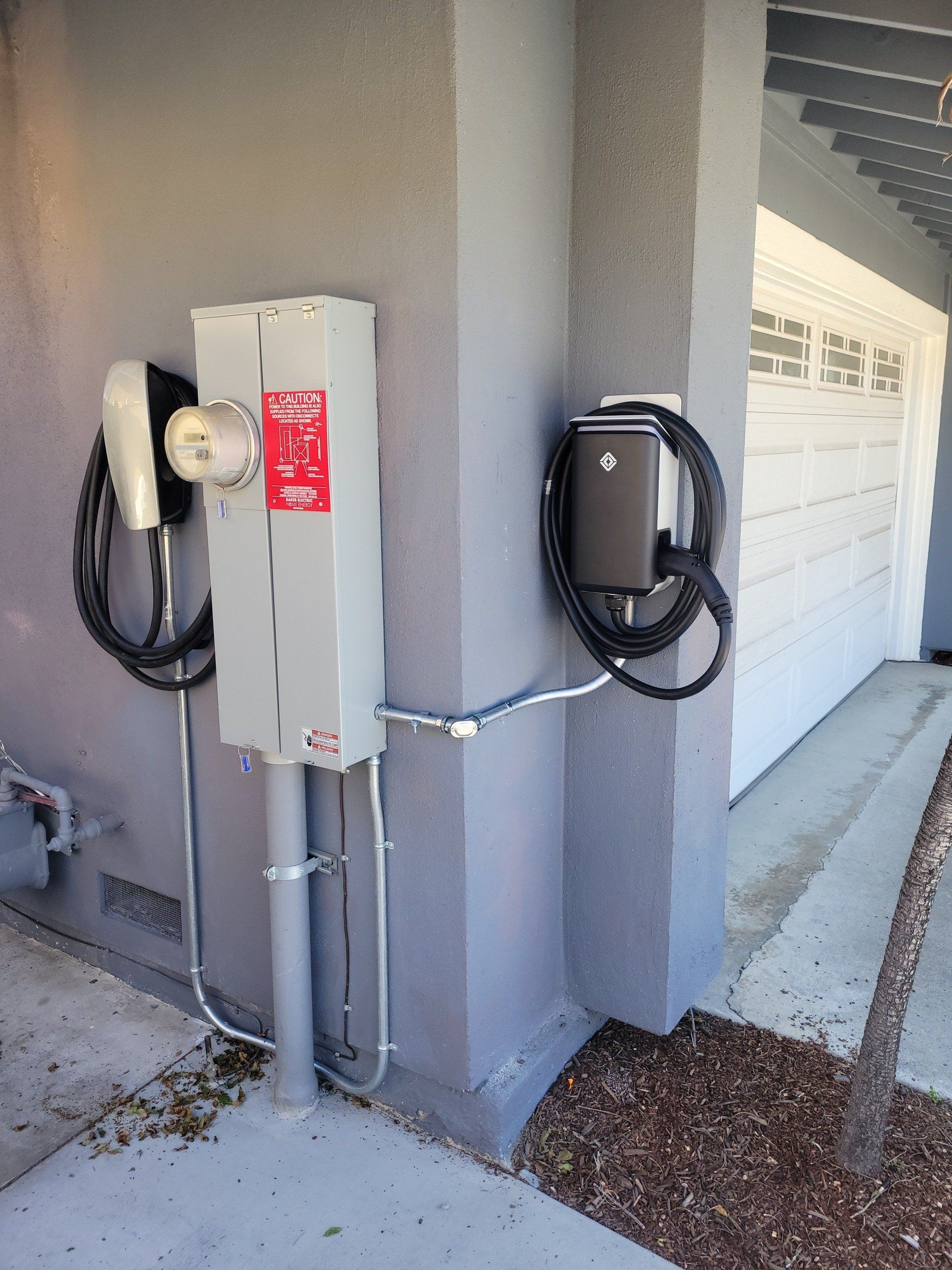
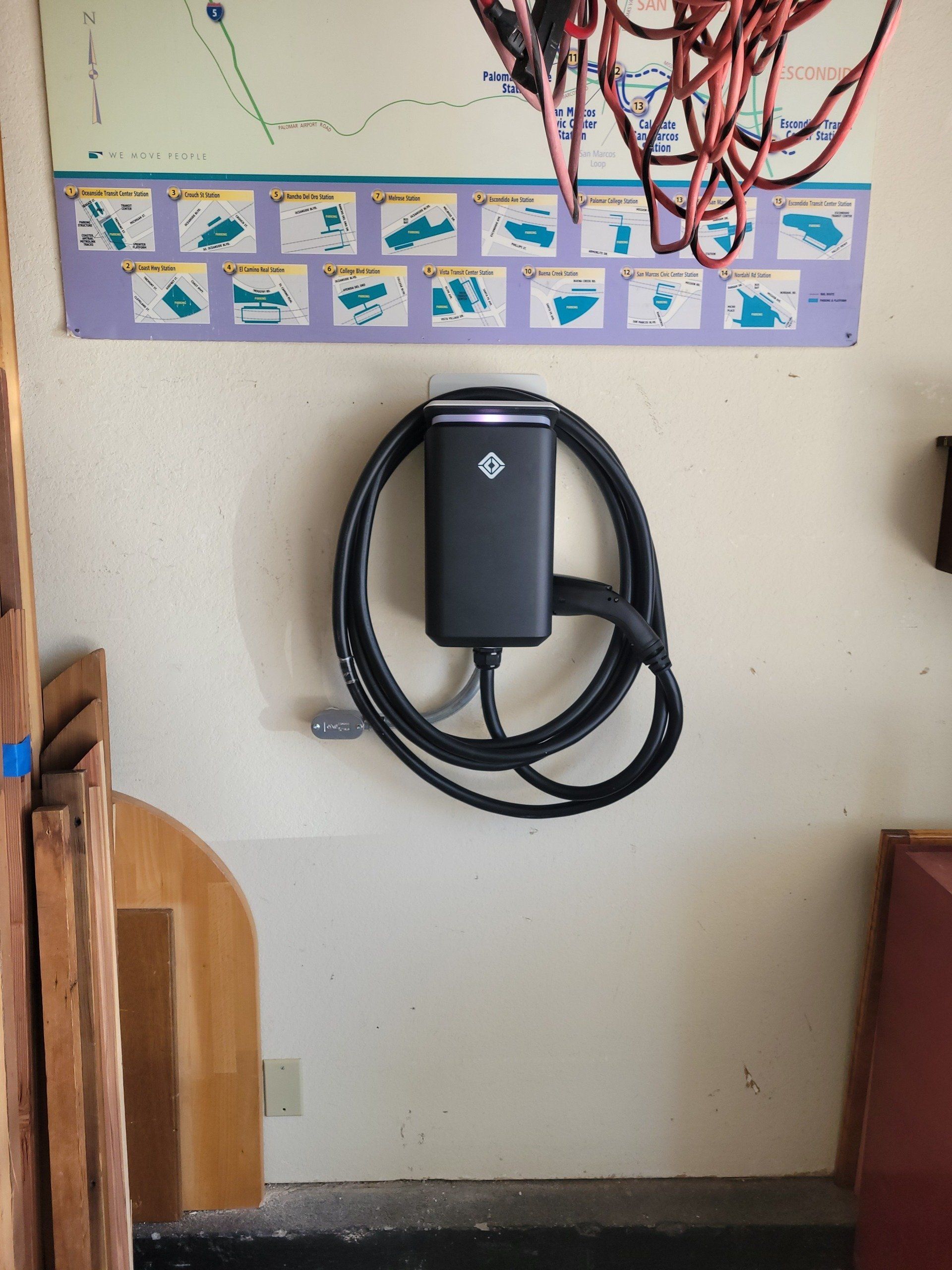
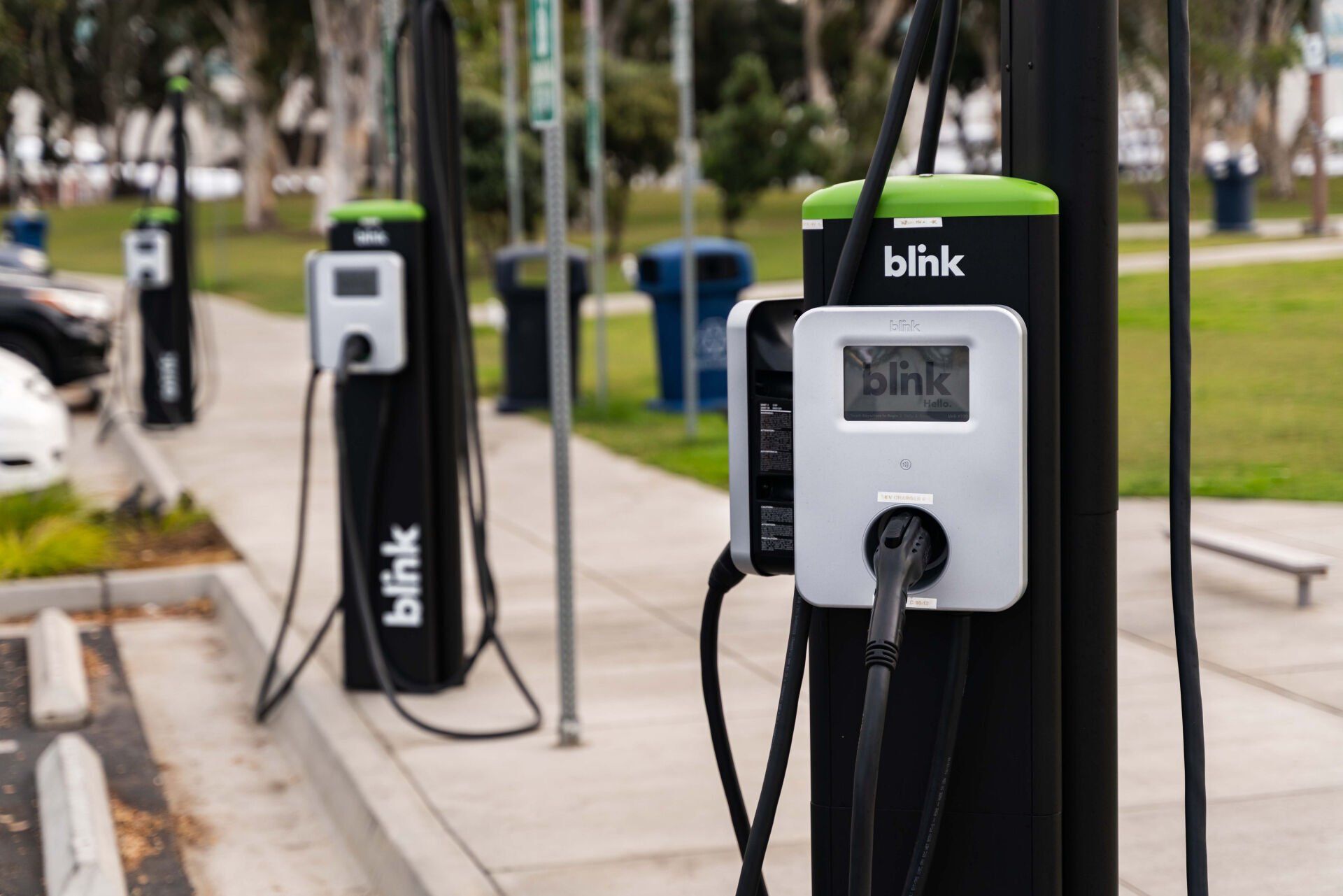
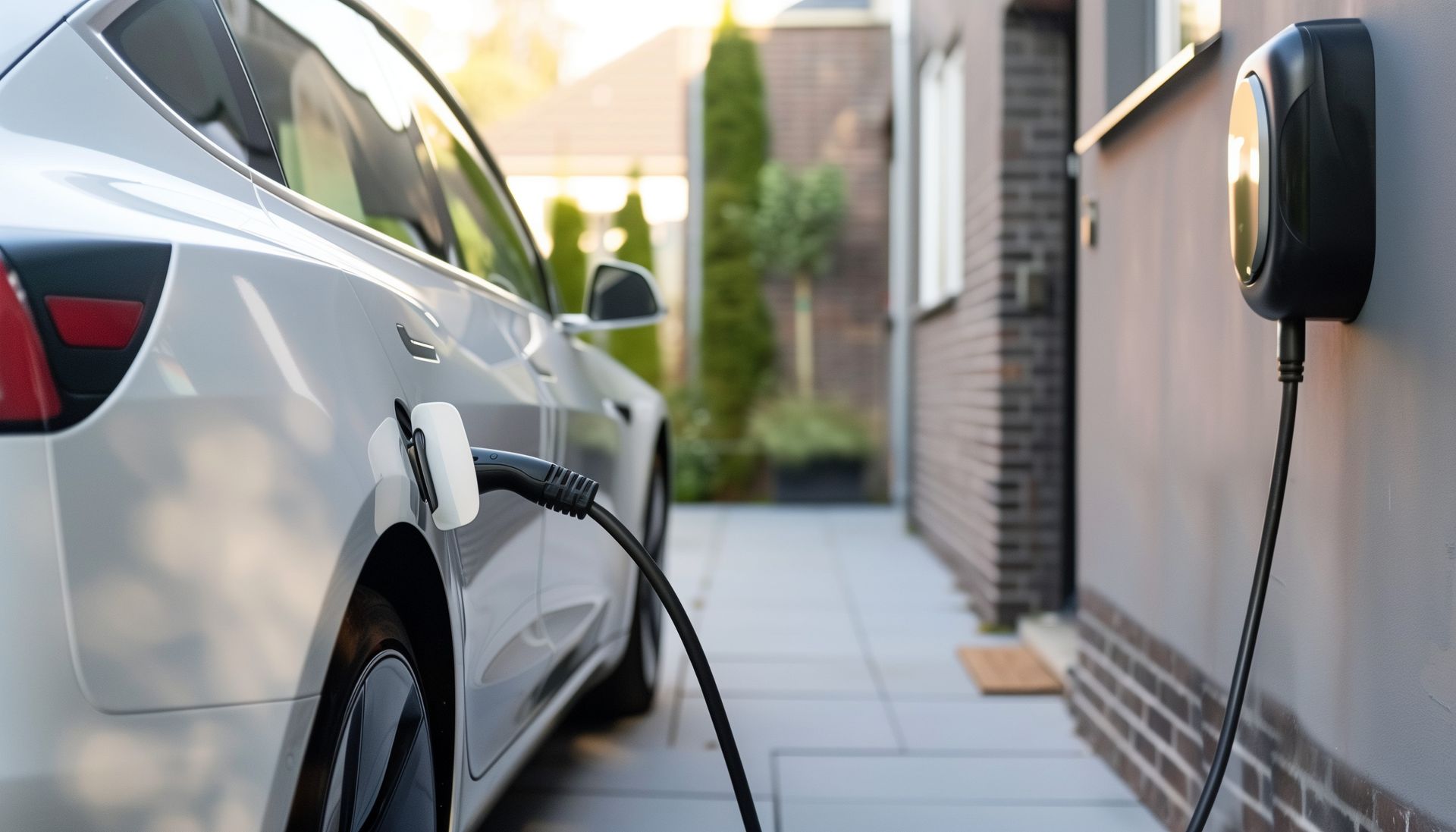
As more San Diego households add electric vehicles, home EV charging has become a natural extension of a home energy system. Pairing a Level 2 home charger with solar and battery storage lets homeowners charge overnight or during off-peak hours using power they've already generated, rather than paying premium utility rates to charge during peak times.
What This Means If You're Considering Solar or Storage
If you already have solar and haven't added a battery, it may be worth having a conversation about how NEM 3.0 is affecting your system's value. If you're considering solar for the first time, battery storage should be part of the conversation from day one — not an afterthought added later.
Let's Talk About Your Home's Energy Future
At New Leaf Electric, we design every solar, battery, and EV charging system around how California's energy rules actually work today — not how they used to work. As a licensed California C-10 electrical contractor, we help San Diego homeowners and businesses navigate NEM 3.0, current incentives, and smart system design so your investment actually pays off.
Curious how these changes affect your home specifically? Contact New Leaf Electric today for a
free quote.