Level 2 vs. Level 3 EV Chargers: Which Is Right for You?
As electric vehicles become more common throughout San Diego County, more homeowners and businesses are exploring EV charging solutions. One of the most common questions people ask is whether they need a Level 2 EV charger or a Level 3 EV charger. While both serve the same purpose—charging electric vehicles—they are designed for very different applications.
Understanding the differences between charging speeds, installation requirements, costs, and ideal use cases can help you make the right investment for your property.
Understanding EV Charger Levels
Electric vehicle chargers are generally divided into three categories: Level 1, Level 2, and Level 3. Level 1 chargers use a standard household outlet and are typically included with many electric vehicles. However, because charging is extremely slow, most EV owners quickly look for faster alternatives.
This is where Level 2 and Level 3 chargers come into play.
What Is a Level 2 EV Charger?
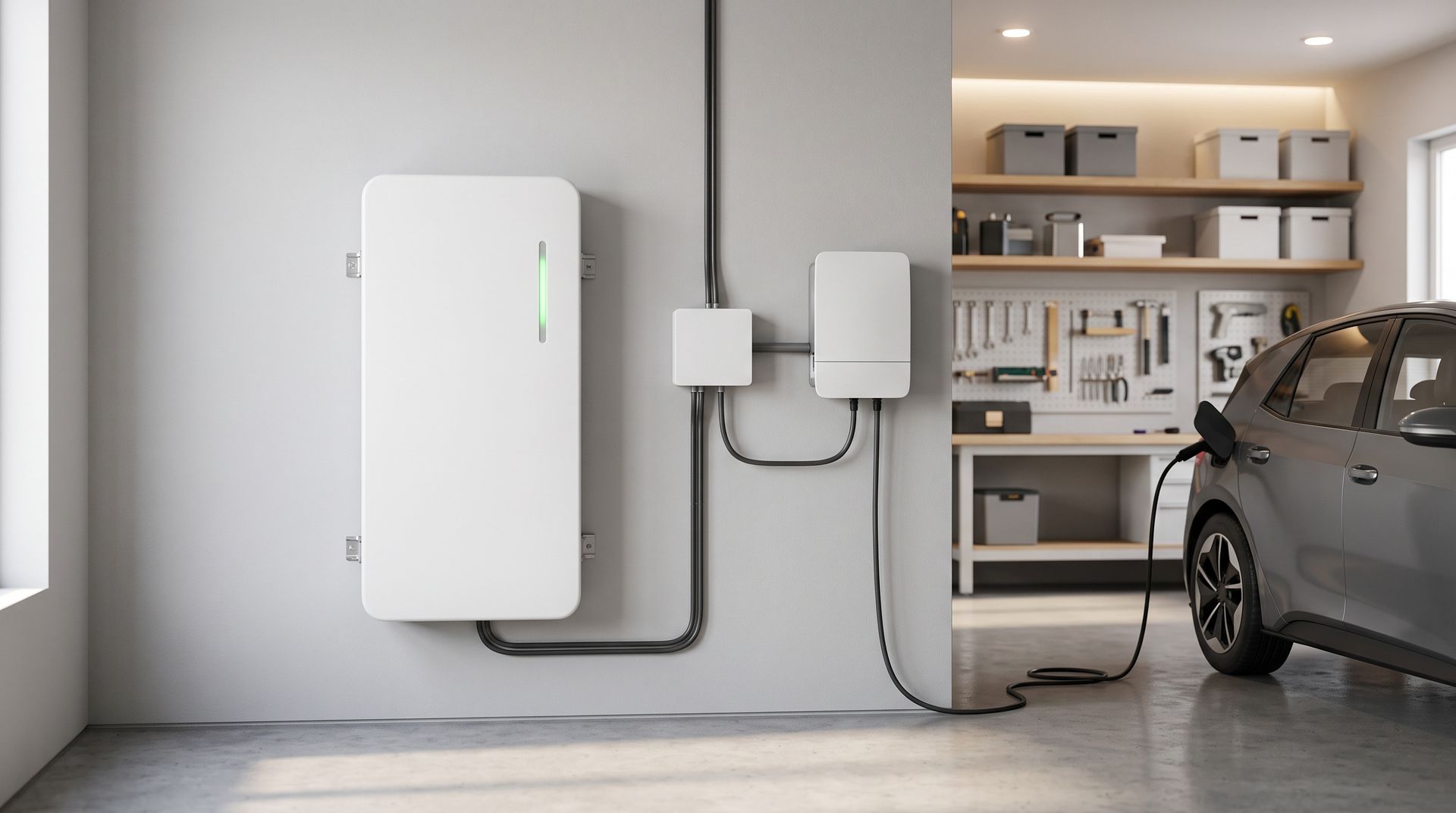
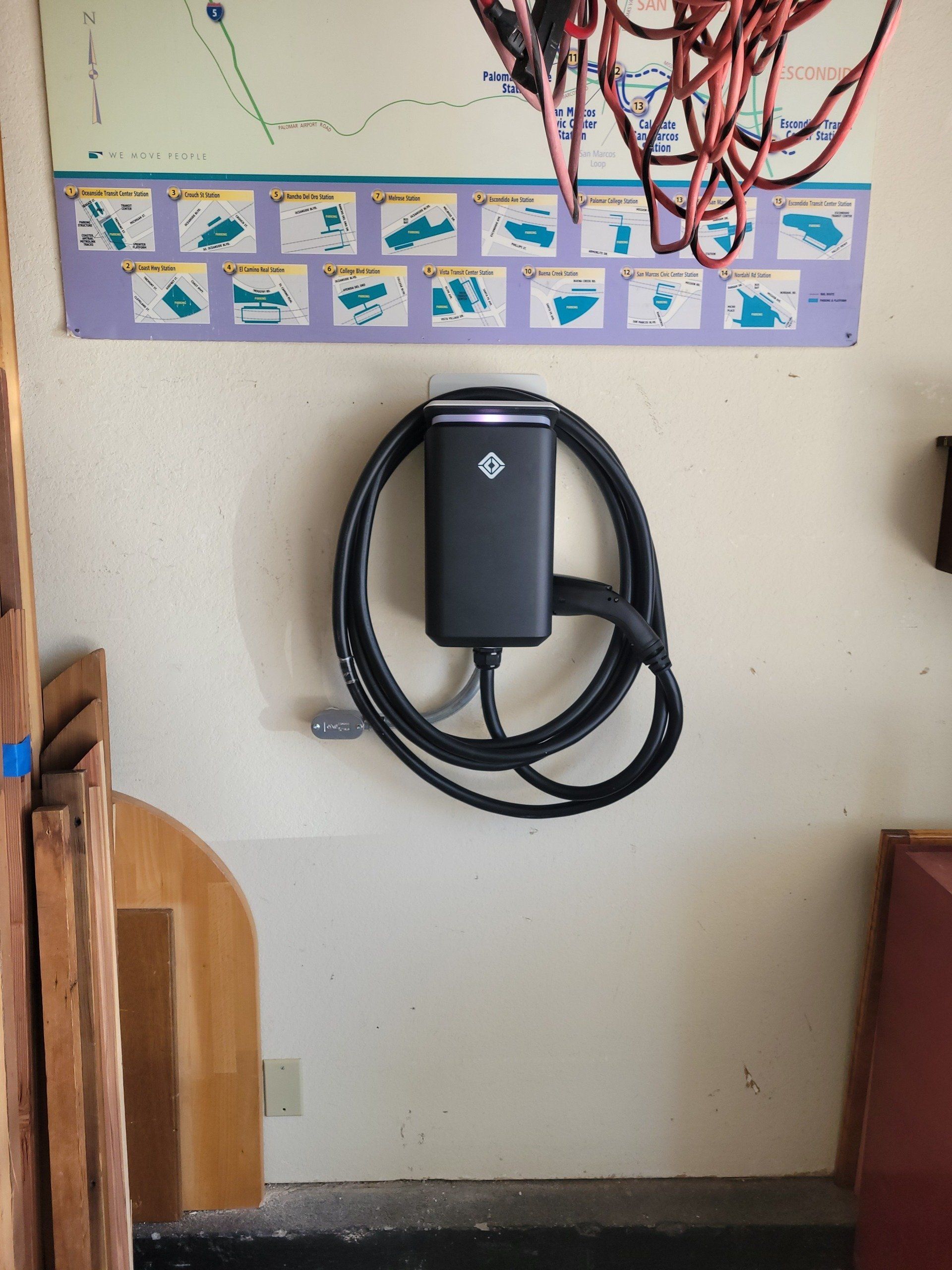
A Level 2 EV charger operates on a 240-volt electrical circuit, similar to what powers large household appliances such as dryers or ovens. These chargers are the most popular option for residential properties and are also commonly found at workplaces, apartment complexes, hotels, and retail centers.
Most Level 2 chargers can add approximately 20 to 40 miles of driving range per hour, depending on the vehicle and charger specifications.
Benefits of Level 2 EV Chargers
Ideal for Homeowners
Most EV owners drive less than 50 miles per day. A Level 2 charger can easily replenish that usage overnight, allowing drivers to start each day with a fully charged battery.
Affordable Installation
Compared to commercial fast-charging systems, Level 2 chargers are significantly more affordable to purchase and install.
Compatible with Most EVs
Nearly every modern electric vehicle can utilize Level 2 charging, making it a versatile long-term solution.
Supports Smart Charging Features
Many modern Level 2 chargers include mobile app integration, scheduling capabilities, energy monitoring, and utility rate optimization.
What Is a Level 3 EV Charger?
Level 3 chargers, often referred to as DC Fast Chargers or DCFC chargers, use direct current (DC) power to charge vehicles much faster than Level 2 systems.
Rather than adding dozens of miles per hour, a Level 3 charger can add hundreds of miles of range in a relatively short amount of time. Depending on the charger output and vehicle compatibility, many EVs can reach an 80% charge in approximately 20 to 45 minutes.
Benefits of Level 3 EV Chargers
Ultra-Fast Charging Speeds
The primary advantage is speed. Drivers can recharge quickly and get back on the road without waiting hours.
Ideal for Commercial Locations
Businesses that serve travelers, commuters, fleet vehicles, or public charging customers often benefit from offering fast charging services.
Supports Fleet Operations
Companies with electric vehicle fleets can minimize downtime and maximize operational efficiency through rapid charging capabilities.
Key Differences Between Level 2 and Level 3 EV Chargers
Charging Speed
The most obvious difference is charging speed.
A Level 2 EV charger is designed for routine daily charging and typically delivers a full charge overnight. A Level 3 charger is built for rapid charging and can dramatically reduce charging times for drivers who need immediate access to their vehicles.
Installation Requirements
Level 2 chargers generally require a dedicated 240-volt circuit and can often be installed within existing residential electrical systems.
Level 3 chargers require substantially more electrical capacity. In many cases, commercial electrical upgrades, utility coordination, transformers, and specialized equipment are necessary.
Cost
Level 2 chargers are far more budget-friendly for both residential and small commercial installations.
Level 3 charging systems involve significantly higher equipment costs, installation expenses, permitting requirements, and utility infrastructure considerations.
Property Type
For most single-family homes, a Level 2 charger provides the ideal balance of convenience, affordability, and charging performance.
Level 3 chargers are typically best suited for:
- Commercial properties
- Fleet operations
- Shopping centers
- Gas stations
- Public charging networks
- Transportation hubs
- Multi-vehicle charging facilities
Which EV Charger Is Right for Homeowners?
For the vast majority of homeowners in San Diego, a Level 2 EV charger is the clear winner.
Most drivers simply need their vehicle charged while they sleep. A professionally installed Level 2 charger provides more than enough charging capacity for daily commuting, errands, school drop-offs, and weekend activities.
Homeowners also avoid the substantial infrastructure costs associated with commercial-grade Level 3 charging systems.
If your goal is convenient overnight charging and long-term energy efficiency, a Level 2 EV charger is typically the smartest investment.
When Does a Level 3 Charger Make Sense?
Although Level 3 chargers are rarely practical for residential applications, they can be an excellent investment for certain businesses.
Commercial property owners may benefit from Level 3 charging if they:
- Serve EV-driving customers
- Operate electric fleets
- Want to attract additional foot traffic
- Need rapid turnaround charging
- Plan to offer public charging services
As electric vehicle adoption continues to grow throughout Southern California, fast-charging infrastructure is becoming increasingly valuable for many commercial properties.
Why Professional Installation Matters
Whether you're installing a Level 2 EV charger at home or evaluating a commercial Level 3 EV charger project, professional electrical installation is essential.
EV chargers place significant demands on electrical systems, and proper load calculations, panel evaluations, permitting, and code compliance are critical for safety and performance.
A licensed electrician can determine whether your existing electrical system can support your desired charger, recommend necessary upgrades, and ensure the installation meets all local and state requirements.
Choosing the Best EV Charging Solution
The right charger depends on how the vehicle will be used, how quickly charging is needed, and the property's electrical capacity.
For most homeowners, a Level 2 EV charger offers the perfect combination of affordability, convenience, and reliable daily charging. For commercial properties looking to provide public charging or support fleet operations, a Level 3 EV charger may deliver significant long-term value despite the higher upfront investment.
As EV ownership continues to expand across San Diego, investing in the right charging infrastructure today can improve convenience, support sustainability goals, and prepare your property for the future of transportation.