Stacking EV Charger Incentives and Solar Rebates in San Diego
If you're planning to add solar and an EV charger to your home, you've probably seen headlines promising thousands of dollars in savings. The reality in late 2026 is more nuanced. Some of the biggest incentives have ended, but there are still ways to lower the cost and improve the payoff of going solar and electric, especially when you plan the two projects together.
Here's what's changed, what's still worth looking into in San Diego, and how to combine the pieces.
What Has Changed: The Federal Credits Are Gone
Start with the reset. The 30% federal Residential Clean Energy Credit for solar (Section 25D) ended December 31, 2025, and the federal EV charger credit (Section 30C) ended for property placed in service after June 30, 2026. If you read an older article promising a 30% solar credit or up to $1,000 back on a home charger, that information is out of date.
That doesn't mean the math no longer works. It means the savings now come from a mix of utility rates, state programs, and smart system design instead of a single federal credit. It's also why it pays to work with a licensed contractor who keeps up with what's actually available.
Where the Savings Are Now
EV-specific SDG&E rate plans. For most single-family homeowners, the biggest charging benefit isn't a rebate. SDG&E's special EV rate plans make overnight charging much cheaper. Charging on a time-of-use plan during off-peak hours can noticeably lower your cost per mile.
Battery storage incentives. California's Self-Generation Incentive Program (SGIP) supports battery storage. It provides incentives for SDG&E customers with solar, with additional tiers for low-income customers. Funding levels and availability change, so it's worth confirming what's open before you sign a contract.
Income-qualified programs. Some households may qualify for extra help. For example, the San Diego Solar Equity Program supports rooftop solar installation for income-qualified City of San Diego homeowners.
Commercial, workplace, and multifamily programs. If you own a business or an apartment or condo property, look at SDG&E's Power Your Drive. These charger rebates focus on multifamily, workplace, and fleet sites rather than typical single-family homes, so residential availability is limited.
Program details and funding change often, so treat this as a starting list and confirm current eligibility with the program or your contractor before you plan around any single incentive.
How to Combine Them
Here's how these pieces can work together for a typical San Diego home:
- Solar generates the power. Your panels offset the electricity your home and EV use.
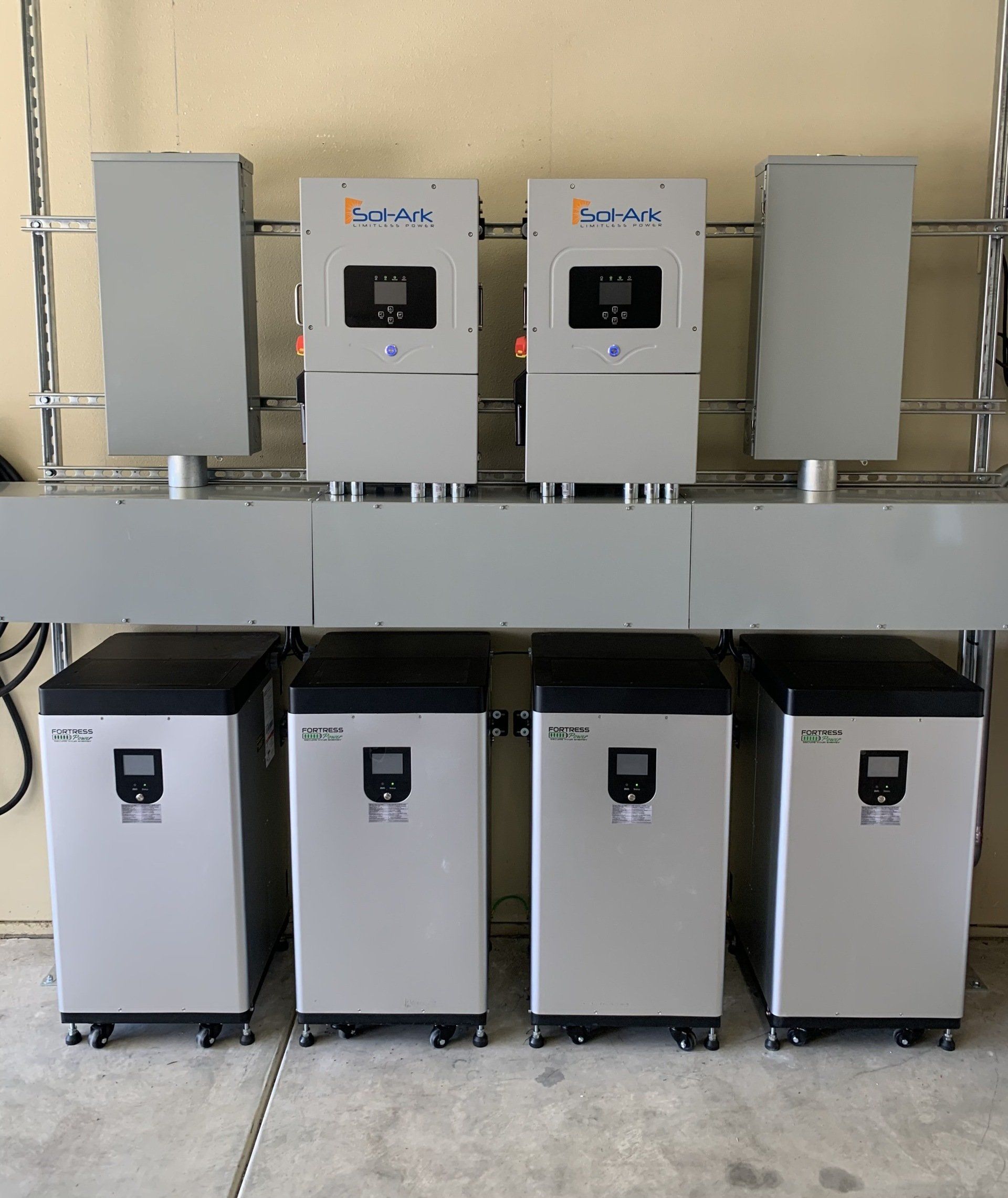
- Battery storage shifts it. Under today's export rules, storing solar production for evening use, when rates are highest and many people plug in, is often more valuable than sending it to the grid. A battery is also where SGIP comes in.
- The right rate plan lowers the cost. An EV-friendly time-of-use plan rewards overnight charging, and a battery can help you take advantage of it.
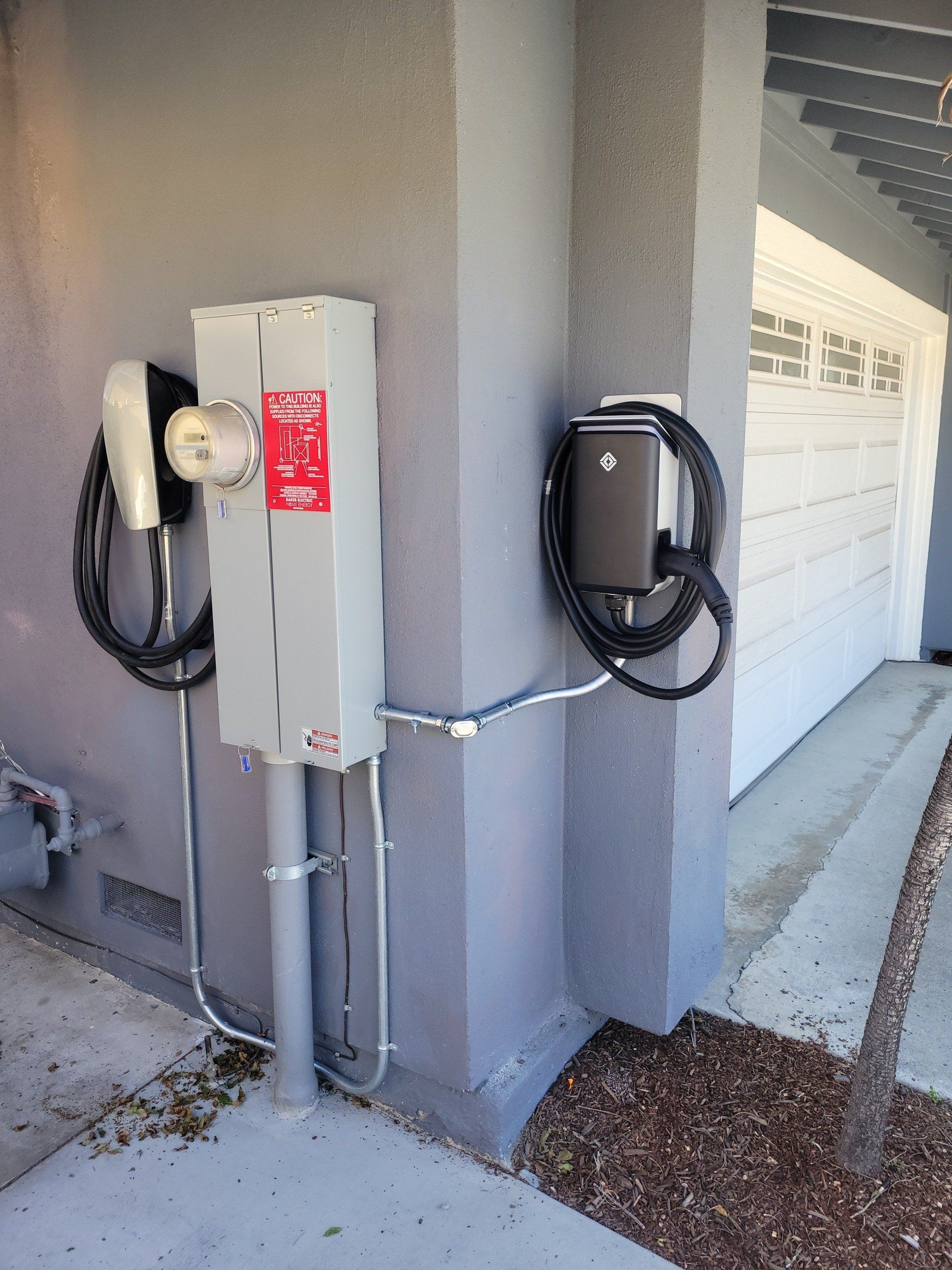
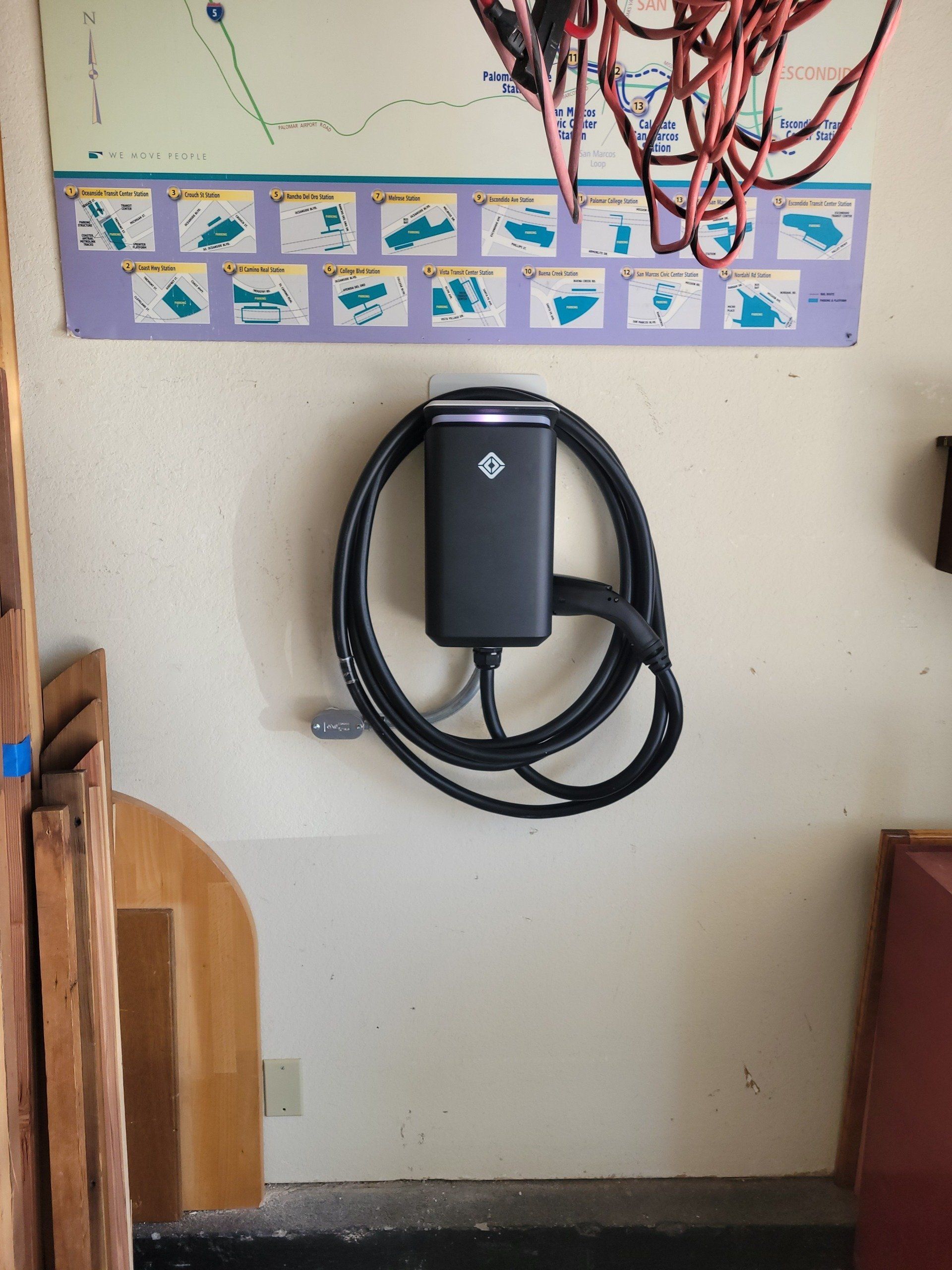
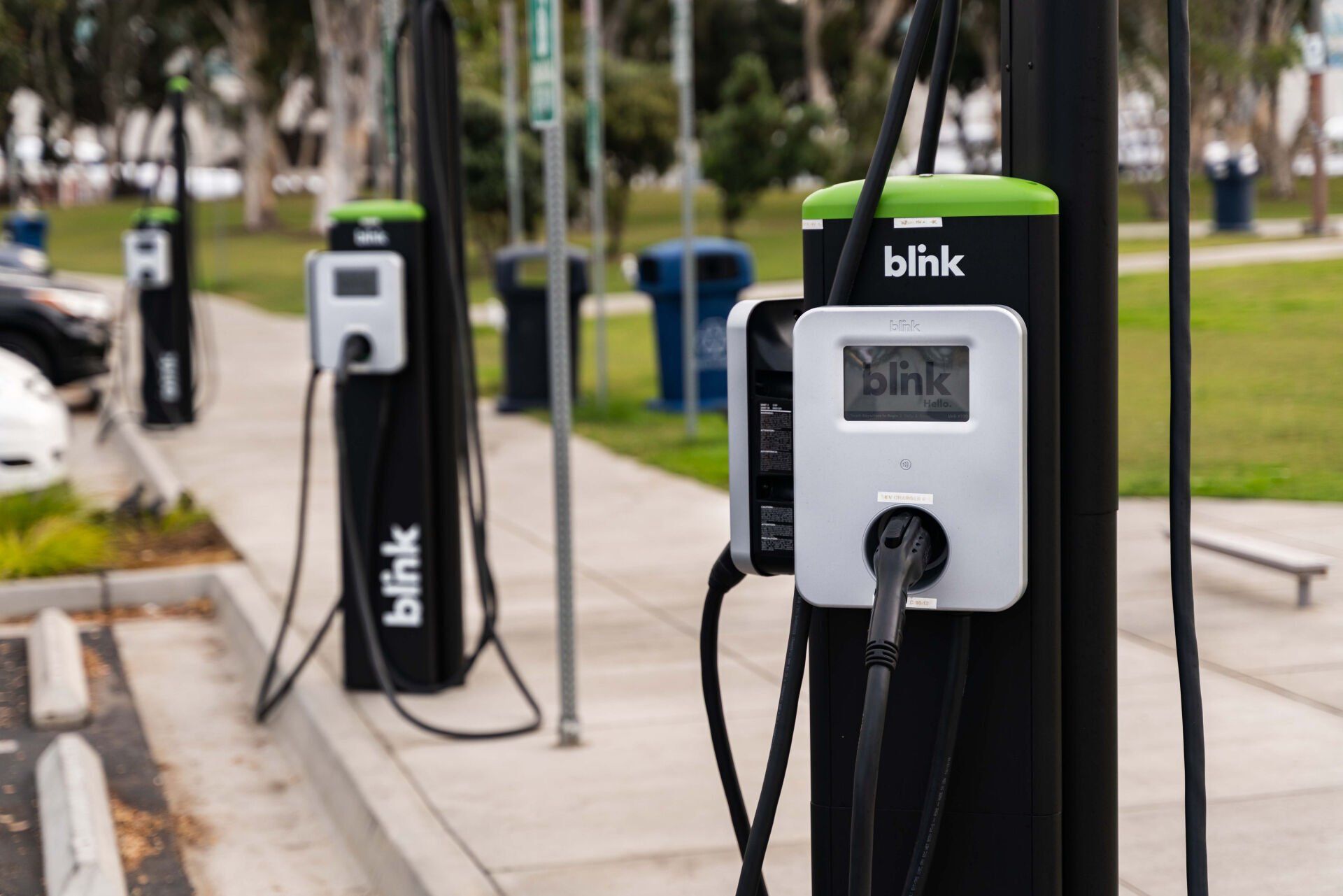
- The charger completes the setup. A properly sized Level 2 charger lets you charge on your schedule instead of relying on public stations.
Together, these can reduce your electric bill, your fuel costs, and your exposure to rising rates. The savings come from how the pieces work as a system, not from any single rebate.
Plan Solar and the Charger Together
Doing both projects at the same time can save headaches and money:
- One electrical assessment. Your panel capacity affects both solar and a charger. Evaluating it once helps avoid paying for upgrades twice.
- Right-sized equipment. If your EV will add load, your solar system and any battery should be sized with that in mind.
- Coordinated permits and inspections. One contractor handling both means fewer moving parts and a smoother schedule.
- Cleaner paperwork. Applications and utility interconnection steps are easier to track when a single team manages them.
Common Mistakes to Avoid
- Assuming old incentives still apply. Check the date on any article or quote that mentions federal credits.
- Applying after installation. Some programs require approval or reservation before work begins.
- Ignoring your rate plan. The wrong plan can cancel out savings from a great system.
- Skipping the panel check. An overloaded panel can mean surprise upgrade costs partway through the project.
- Counting on a single incentive. Build your plan around a system that makes financial sense on its own, with incentives as a bonus.
Talk to a Local Team About Your Options
New Leaf Electric is a licensed C-10 electrical contractor in San Diego, and we install solar, EV chargers, and energy storage for homeowners across the area. We can look at your panel, your usage, and your goals, then walk you through which incentives are currently worth pursuing. Contact us today for a free quote and get a plan that fits your home and your budget.